Retail Space for Lease in Laredo: Available Properties & Market Guide
Retail space for lease in Laredo serves a consumer market supported by a July 1, 2025 population estimate of 269,515 residents, up 5.6% from the April 1, 2020 population estimates base (U.S. Census Bureau). Vacancy and availability can differ sharply by corridor, building age, suite size, access, and the type of tenant each property can support.
If you are opening your first storefront, relocating an existing shop, or adding a location, this guide covers what to compare, what to ask, and which lease terms deserve a closer look before you sign.
Why Retail Businesses and Tenants Choose to Lease Space in Laredo
Leasing retail space in Laredo gives businesses flexibility to match their location, layout, and operating needs with a local customer base and established commercial corridors.
1. A growing local customer base
Laredo's population increased 5.6% from the April 1, 2020 population estimates base to July 1, 2025, reaching 269,515 residents. That growth can support careful site selection for daily-needs retail, food service, personal services, and specialty concepts.
What this means for you: a growing population helps, but your results still depend on whether the specific trade area around a storefront matches your customers.
2. A cross-border commercial setting
Laredo's role as an inland port and border community creates customer trips connected to local households, visitors, logistics activity, and international commerce. Define which customer trip your concept depends on before choosing a corridor. Many Laredo shoppers are bilingual, so think about how your signage, staff, and marketing will serve both English- and Spanish-speaking customers.
3. Multiple established retail corridors
San Dario Avenue, McPherson Road, Del Mar Boulevard, Loop 20, Zapata Highway, and Downtown Laredo offer distinct access patterns and surrounding uses. The City's planning framework treats land use, mobility, economic development, and downtown revitalization as connected priorities (City of Laredo Comprehensive Plan).
4. Flexible storefront formats
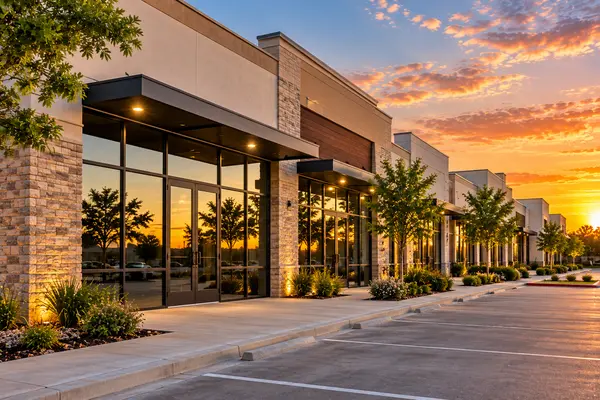
Retail spaces for lease vary widely in property type, square footage, storefront visibility, parking ratios, and zoning permissions. An inline suite may fit a service business, while a pad building may better suit a drive-thru or destination-focused operation.
5. A practical way to test a location
Leasing can let you test a trade area, adjust your footprint, or relocate as customer needs change. Comparing access, permitted use, suite condition, utility capacity, and total occupancy costs helps narrow the choices.
Types of Retail Spaces Available for Lease in Laredo
Retail space in Laredo ranges from compact service suites to large-format locations, each with different site and build-out considerations.
Strip Centers and Inline Spaces: Neighborhood shopping-plaza suites with shared parking that can suit services, convenience retail, offices, and daily-needs concepts.
Standalone and Pad Buildings: Single-tenant buildings or drive-thru pads that may offer independent signage, street visibility, and separate customer access.
Downtown and Urban Storefronts: Street-level spaces that may appeal to businesses seeking historic character, civic proximity, and pedestrian-oriented surroundings.
Regional and Lifestyle Malls: Enclosed or open-air centers that can place tenants near larger retail brands and complementary dining or service uses.
Restaurant and QSR Spaces: Specialized units that require review of grease traps, venting hoods, gas service, HVAC capacity, patio rights, and permitted use.
Big-Box and Anchor Units: Large-format spaces for grocery, fitness, furniture, discount retail, or other operations needing loading access and substantial parking.
You can browse available Laredo properties to get a sense of current options, then compare each one against your operating needs.
Best Retail Districts and High-Traffic Corridors in Laredo
The right Laredo retail district depends on your business model, customer access needs, parking demand, visibility, and the practical path customers take from the roadway to your front door.
| Retail area or corridor | Retail leasing considerations |
|---|---|
| San Dario Avenue | Compare block-by-block visibility, driveway access, retail mix, parking, and signage conditions. |
| McPherson Road | Review nearby residential and office uses, access points, restaurant activity, and parking availability. |
| Del Mar Boulevard | Evaluate suite layouts, neighboring tenants, parking circulation, signage opportunities, and use compatibility. |
| Loop 20 | Assess roadway exposure, ingress and egress, loading needs, customer access, and property visibility. |
| Downtown Laredo | Consider pedestrian patterns, building condition, municipal requirements, nearby parking, and the customer experience your concept needs. |
| Zapata Highway | Review access, parking, visibility, surrounding uses, and the specific customer trip the location is meant to capture. |
Traffic counts are only one part of site selection. The Texas Department of Transportation provides traffic-count mapping resources, but you should also assess driveway placement, turning movements, anchor draw, parking turnover, storefront sightlines, and competing customer demands within the center. For a wider look at how retail fits alongside office, industrial, and other property types across the city, this overview of Laredo commercial properties adds helpful context.
Factors to Consider When Leasing Retail Space in Laredo
A retail lease should clearly define total occupancy costs, permitted use, build-out responsibilities, and day-to-day operating rights before you commit.
Start with the lease structure. Triple net (NNN) leases separate base rent from your share of property taxes, insurance, and common area maintenance (CAM) costs. Modified gross and full-service structures split expenses differently, so compare the expected monthly obligation rather than base rent alone.
Review tenant improvement terms closely. The lease should identify who is responsible for flooring, electrical upgrades, plumbing, accessibility work, permits, exterior changes, and end-of-term restoration. Restaurant users should confirm HVAC capacity, grease-trap condition, venting, gas service, waste handling, and patio rights.
Pay attention to operational terms. Confirm signage rights, façade visibility, parking availability, cross-easement access, delivery routes, exclusive-use language, co-tenancy provisions, renewal options, and permitted business use.
Plan for city approvals. Every new business in Laredo must register with the City and have a Certificate of Occupancy before it can operate, and signs require their own permit. These approvals run through the City of Laredo Building Development Services Department at 1413 Houston Street, (956) 794-1625. Keep in mind that a Certificate of Occupancy is tied to the business and its use, so a change in the business name or use can end an existing certificate and require a new one. Even if the previous tenant ran a similar business, plan on applying for your own.
Pro-Tip: Visit a retail site at opening time, lunch, late afternoon, and on a weekend before signing. Track where vehicles enter, where customers park, and whether the storefront is visible from the way customers approach it.
Leasing Retail Space vs. Purchasing Retail Property in Laredo
Leasing generally offers flexibility and lower initial capital needs, while buying provides more control and a potential long-term ownership position.
Leasing Retail Space
- Requires significantly less upfront capital than purchasing a commercial property
- Provides flexibility to relocate, scale up, downsize, or change formats as market needs shift
- Creates more predictable monthly obligations when common area maintenance costs are clearly defined
- Avoids direct long-term responsibility for property depreciation and major capital repairs
Buying Retail Property
- Can build long-term equity and appreciation potential
- Provides more control over site modifications, tenancy, and building use
- Requires more upfront capital, including a down payment and financing costs
- Places responsibility for building maintenance, property taxes, insurance, and structural upgrades on the owner
Working With a Retail Leasing Professional in Laredo
A retail lease involves more than finding an open storefront. Comparing corridors, reading expense language, confirming permitted use, and lining up city approvals all affect when you can open and what you will pay each month.
Mayra Villarreal help Laredo business owners, regional brands, and landlords compare retail spaces, review lease terms, and negotiate concessions such as tenant improvement allowances and rent abatement. She work with clients in both English and Spanish, and focus on clear communication so you understand each lease term before you commit. You can learn more about Mayra Villarreal background and approach.
Looking for retail space in Laredo? Call or text at +1 (956) 319-5159, email mayra.villarreal@keystone-res.com, or send a message through the contact page for no-pressure, local answers about the lease market.
Frequently Asked Questions
How much does retail space cost to lease in Laredo?
Retail lease pricing is generally quoted as an annual amount per square foot, plus estimated NNN or CAM charges when the lease structure requires them. Total costs vary by corridor, visibility, parking, suite condition, build-out needs, and specialized features such as drive-thru access or restaurant infrastructure.
What types of retail spaces are available for lease in Laredo?
Laredo tenants can consider strip-center inline units, downtown storefronts, standalone buildings, pad sites, restaurant-ready spaces, shopping-center suites, and larger anchor locations. The best option depends on space requirements, customer access, parking demand, signage, utility capacity, and permitted use.
What is included in a retail triple net (NNN) lease?
A retail triple net lease requires the tenant to pay base rent plus a proportional share of property taxes, building insurance, and common area maintenance costs. Before signing, request estimates, understand reconciliation procedures, and confirm how future expense increases will be handled.
Do I need a new Certificate of Occupancy if the space already had a business?
In most cases, yes. In Laredo, a change in the business name or use ends the existing Certificate of Occupancy, so a new tenant typically goes through the new business process with Building Development Services. Confirm requirements for your specific space before signing.
Can I negotiate a Tenant Improvement (TI) allowance with the landlord?
Yes. Landlords in Laredo may offer a tenant improvement allowance or an initial rent-abatement period, especially when a tenant has strong credit and accepts a longer lease. The agreement should specify eligible work, construction deadlines, reimbursement procedures, and responsibility for any cost overruns.
Should I work with a real estate professional to lease retail space?
A real estate professional representing you as the tenant can help with site selection, market-rate comparisons, lease negotiations, and contract coordination. In many retail transactions, the landlord pays the cooperating brokerage fee, but confirm the representation arrangement and scope of services before moving forward.
Categories
Recent Posts